We have just finished another women’s month full of platitudes about fighting for gender equality and elevating the place of women in society.Like many other women, I received push messages and emails from companies celebrating me and seeking to entice me to buy products and services to mark International Women’s Day on March 8.
And in keeping with the theme of “accelerating gender equality through economic empowerment”, companies shone a spotlight on their female employees on social media and sat them in panels to talk about inclusion and equality.
We have done this year in, year out, without much result. The gender divide, especially in leadership, persists. This is true even for sectors such as agriculture where women are thought to dominate.
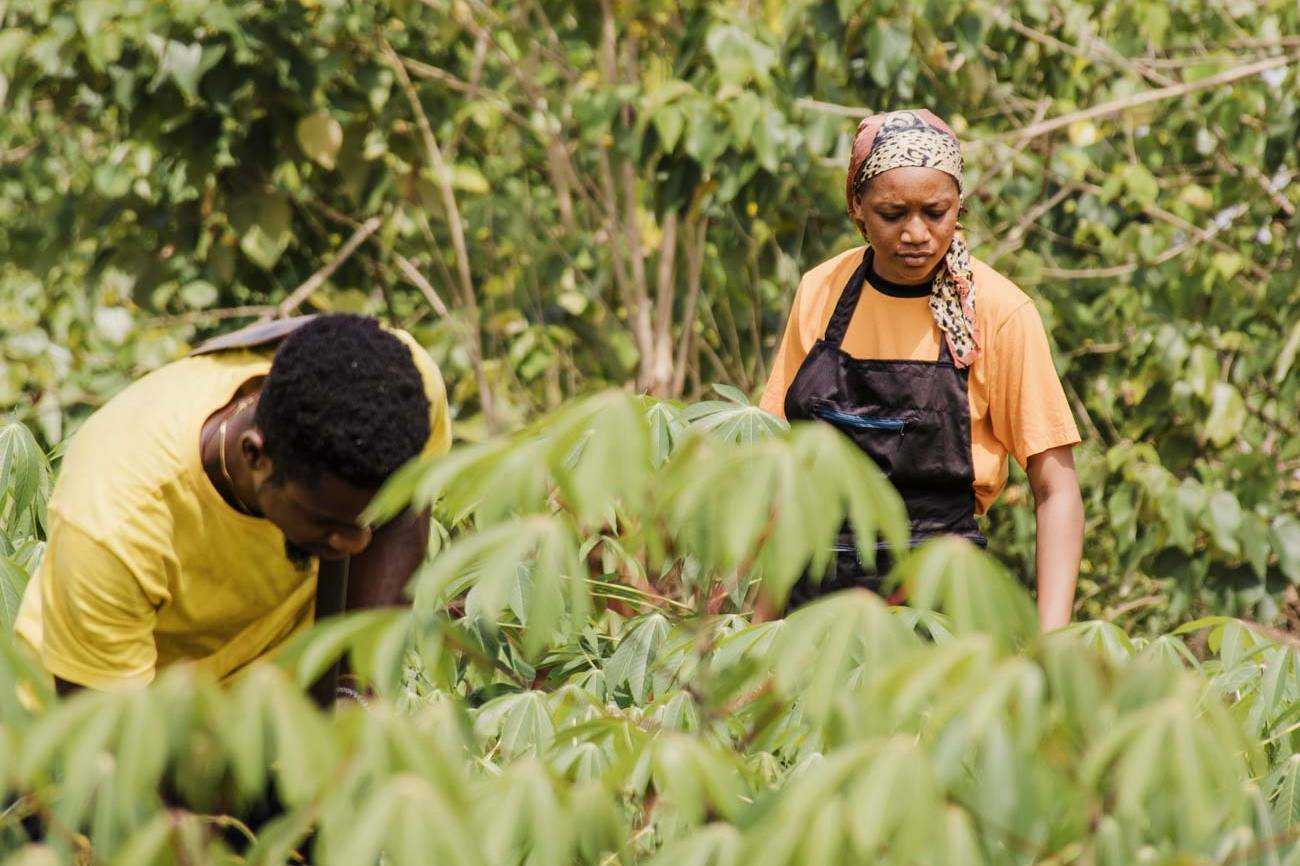
According to a report by the Food and agriculture Organisation on women in agrifood systems, 66 per cent of women in sub-Saharan Africa are employed in agrifood systems, compared with 60 per cent of men. But women’s participation is mostly as casual workers, where they make up 70 per cent of the workforce planting, harvesting, and selling produce to the markets and consumers, according to data from the World Economic Forum.
Tellingly, women own less than 20 per cent of the land that they till and toil on. This means that profit from their labour is never directly theirs and they are absent from decision making. Stories abound of men selling family land leaving their families destitute.
Part of the reason this inequality persists is colonialism. In precolonial times in Africa, women were in positions of power and led alongside kings and chiefs. Their roles and significant contribution to the community were well respected and understood, working alongside men as traders, farmers and pastrolists.
They had influence over leadership and governance structures. Colonialism relegated women to the domestic sphere, stripped them of rights to the land and led to warped socio-economic dependence on men. We are still struggling to catch up and right old wrongs.
However, the structural inequalities, power dynamics, skewed resource distribution that perpetuate gender inequalities in leadership and beyond have proved difficult to shift. Today, many African countries, Kenya being one of them are actively discussing and strategising how to increase the numbers of women in leadership capacities and include the voices of women in decision making.
Engagement of women in the agricultural sector and beyond has typically manifested in short term training and capacity building workshops, and token leadership positions that have no systemic effect on long term goals.
Conversations about women in leadership are often framed at best as a favour to women, at worst, as an inconvenient “affirmative action road bump” that society must indulge to be thought of as progressive. This is why when women leaders fail there is much more scrutiny, backlash, and questioning of whether they deserve leadership positions at all.
It is critical to avoid stereotyping female leaders in the ways we anticipate them to lead. The inclusion of women in leadership is not a magic bullet to tackle the challenges we face – it is a first step in creating a firm foundation for better leadership overall, one which reflects the complex dynamics of the society we live in.
So, where do we need to put in the work?
A good first step is critically interrogating our common understanding of leadership as an individual journey marked by acts of heroism and reframing it as a communal endeavour where everybody has a role to play. We cannot have meaningful progress if we keep leaving people behind.
The African Food Fellowship is a superb example of an initiative that focuses on new kinds of food systems leadership grounded on active inclusion of women in collaborative action at the national and community levels that is required at scale across food systems of Africa.
Promoting a diversity of roles, voices and perspectives, the Fellowship helps to deconstruct colonial norms of leadership as stereotypically male and wealthy, widening the definition of who a leader is, and how they act. There isn’t only one way to lead.
Current leadership structures have played a critical role in formulating and committing to higher-level goals and strategies, but they just do not go far enough. Ensuring that this ambition leads to real change at a country and community level – which is where radical change is needed – requires diverse and capable leadership close to the action.
This is not a fight that women can fight alone. No amount of “happy women’s day” messages will shift the status quo if they are not backed by substantive changes in how society is organised and structured. It is time to unburden women from the responsibility of seeking gender equity and engage men and women together as agents of change to break the gendered norms that are hindering progress.
Disclaimer: This article was originally published in Nation on March 2024 by Brenda Mareri. The original version can be found here